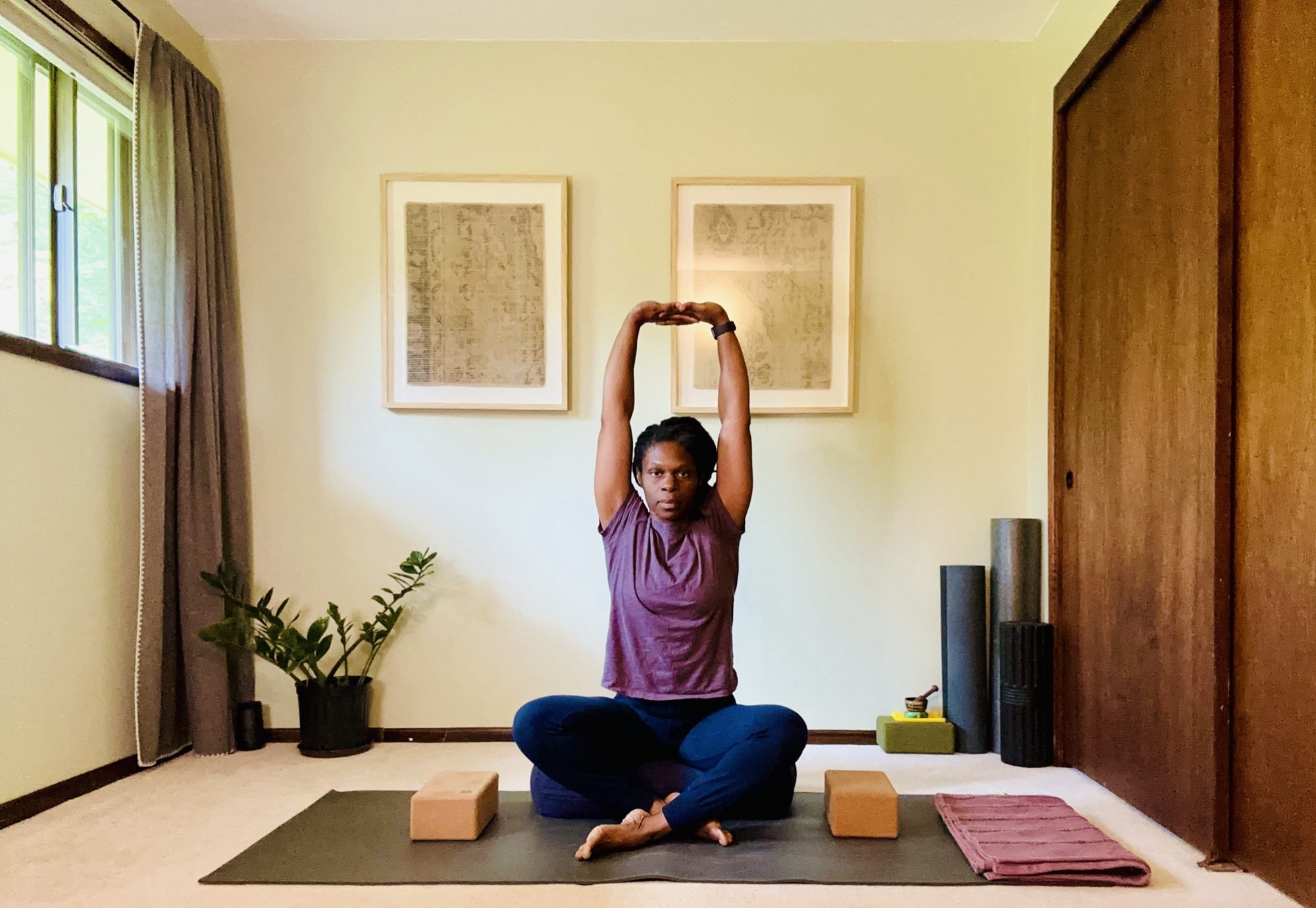

Hello February!
This month we’re continuing our practice with the last of the Yamas and the start of the Niyamas.
5. Aparigraha (Non-Possessiveness)
“Pari” means around and “graha’ means to grasp. Aparigraha means non-grasping of things around you. When expectations are high we become greedy and once this is allowed to grow it’s even more difficult to rid ourselves of it. It’s as though we’re never satisfied, grasping at things and ideas.
Yoga Sutra 2.39: One who overcomes possessiveness and a grasping mind, will gain knowledge of the past, present and future.
The Niyamas
There are five Niyamas, they’re commitments to ourselves and principles that we should follow in our every day life.
1. Sauca (Purity)
Sauca means maintaining both internal and external purity, thinking good positive thoughts will keep our mind pure. Likewise keeping our environment and person — clothes, body, belongings and surroundings — clean and clear, will also keep our vision clean and clear. With purity of speech and thought the mind will begin to clear itself. Once the mind is purified than the “Atma” or the soul, will be purified.
Yoga Sutra 2.40: From cleanliness, an aversion to one’s own body and contact with the bodies of others develops.
2. Santosa (Contentment)
Santosa means being happy with whatever we have, practicing inner joy from spiritual wisdom. Santosa is not acquired by amassing material things. Rather it is contentment from a higher consciousness as the ultimate joy. Happiness for material things last only a few hours or days and comes from a lower consciousness. Ultimate joy stays with you, it never goes away. Be happy with what you have.
Yoga Sutra 2.42: From contentment, one gains supreme happiness.
3. Tapas (Self-Discipline)
Tapas is the practice of self discipline, leading a life of principle. This is important especially for yoga practitioners maintaining a disciplined diet, steady practice and schedule, avoiding bad crowds and influences. By practicing tapas impurities are destroyed in the body. The mind likes to wander. Negative influences distract the mind. Through this practice we can discipline and focus the mine to achieve our spiritual goals.
Yoga Sutra 2.43: By practicing self discipline, impurities are destroyed, then the body in the sense organs were getting spiritual strength.
4. Svadhyaya (Self-Study)
Svadhyaya means studying what we have learned from our teacher, not only trying to understand what has been said, but deepening that understanding and expanding our knowledge by actively engaging in and thinking more about the subject we are learning. Self study is to engage our mind, to further our studies. It is our duty to educate ourselves, to do and review what was said, to go deeper into whatever subject we are learning and an understanding and experiencing. The teacher cannot push, he or she can only guide.
Yoga Sutra 2.44: While practicing self study, we totally submerged ourselves in the deity that we have chosen.
5. Isvara Pranidhana (Devotion to God)
Isvara Pranidhana means surrendering to the supreme soul, or worshiping God. Isvara is the purest form of the soul. Once you surrender to Isvara, to the divine, there will be no delusions. The yoga practice is a spiritual practice not just doing exercise it is striving to attain spiritual knowledge — from within. The more you think of God, the more you become attached to the divine, providing inner strength to deal with the uncertainties of life.
Yoga Sutra 2.45: By surrendering to God, one will attain samadhi.


CHAIR YOGA & MEDITATION
Sundays
2pm – 3pm PT | 3pm – 4pm MT
4pm – 5pm CT | 5pm – 6pm ET
HATHA YOGA & MEDITATION
Saturdays (NEW)
2pm – 3pm PT | 3pm – 4pm MT
4pm – 5pm CT | 5pm – 6pm ET
Classes are shared freely with the help of donations. Give what you can, no one is ever turned away for lack of funds. Offerings are open to beginners and experienced practitioners and exist as a space for mental and physical healing.
Class links shared at registration and 15 mins before the start of class. No entry 5 mins after the start of class.
Facebook | Instagram | LinkedIn | Classes
Discover more from DUBWISE YOGA
Subscribe to get the latest posts sent to your email.
 DUBWISE YOGA